Aloitetaan ensimmäisestä ajatuksestani, kun kuulin nämä omassa kuunteluhuoneessani: nämä ovat ne kaiuttimet, mitä Gradient 1.2:t eivät...
Most of us thinks tube sound is something, smooth soft and calm. Sometimes te bass may be compromised, but especially analog fans seem to like this kind of sound. My preferences are quite opposite ones. I like definition, neutrality and relatively fast sound. In my opinion there cannot be too much definition in sound, of course balance issues are the different story.
Based on that my expectations were quite high, when I first time heard LAB12 integre4. Full tube integrated amplifier with four KT-150 output tubes and 50W on 8 ohms load.
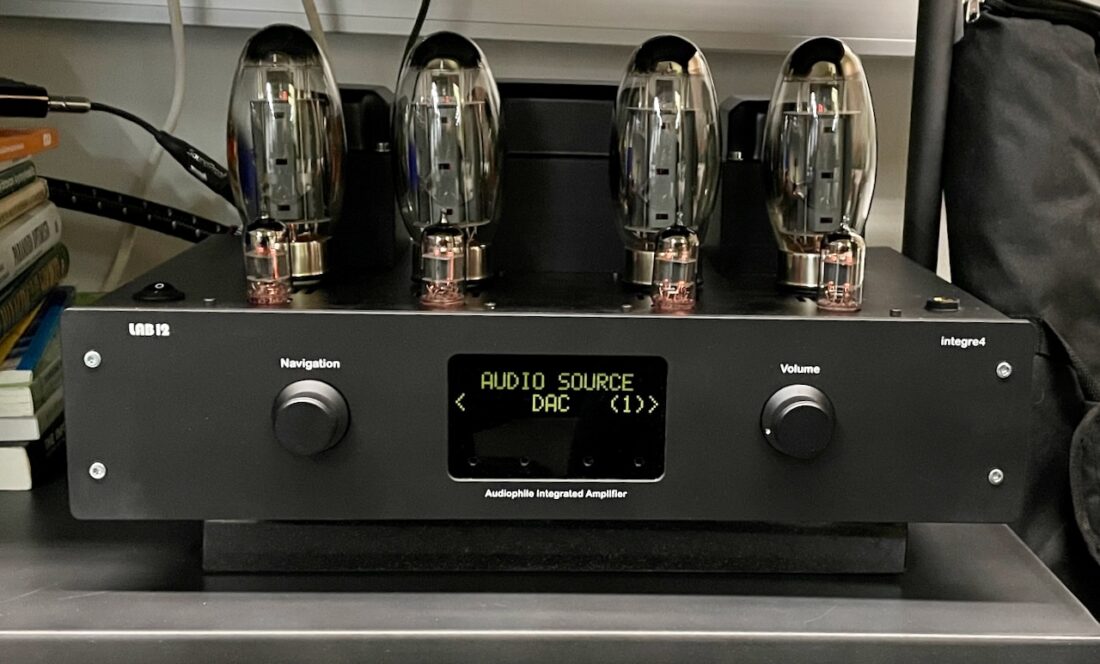
The amplifier has 5 RCA inputs and a remote controller. Also headphone output (6,3mm) is included. The amplifier is micro-processor controlled and the display is quite informative. In the front plate there are two buttons volume and source selectors. The volume button has also ”enter” included by poshing the button. The amplifier is hand made on Greece and build quality is good and the price (about 5k euros) is reasonable.
Earlier I tried the amp with different loudspeakers. It drove anything I tried without any questions. For example I got a very good sound levels from my demo Magneplanaer 3.7 i:s The results from this first test were clear. The sound is clear, timbre nearly perfect and definition especially stereo and 3D-images excellent. One of the best amplifiers in it’s price category.
The set
Then time went by. I used integre in several demos, but little by little it was forgotten. For a while I didn’t have a good listening setting at home. I used there mainly headphones and also my relatively cheap and used ESA Credo1 Illuminators. They are not small 2 way speakers with full range frequency spectrum. The speakers sounded more than ok and I was quite happy with the sound.
But then. I made a non-compromise listening set to home, althoug I left ESAs intact. I used LAB12 gordian as a power filter, driven by IsoTek Ascension power cord from the wall outlet (Furutech). The power cord for the amplifier was the Furutech PowerFlux NCF. As an SSD streamer and DAC I used iFi’s NEO Stream connected to amplifier with the Furutech LineFlux RCAs. I also have a vinyl player, and old Bergmann Magne with HANA Umami Blue cartridge. Phono preamp was Soundsmith MMC-2mkII. The speaker cables were Transparent Super G6.
My listening room is very small. The ESAs may sometimes sound a bit thick on the bass. Sometimes compared with new expensive Avantgardes they have also sounded a bit slow. So, I was not 100% sure what to expect.
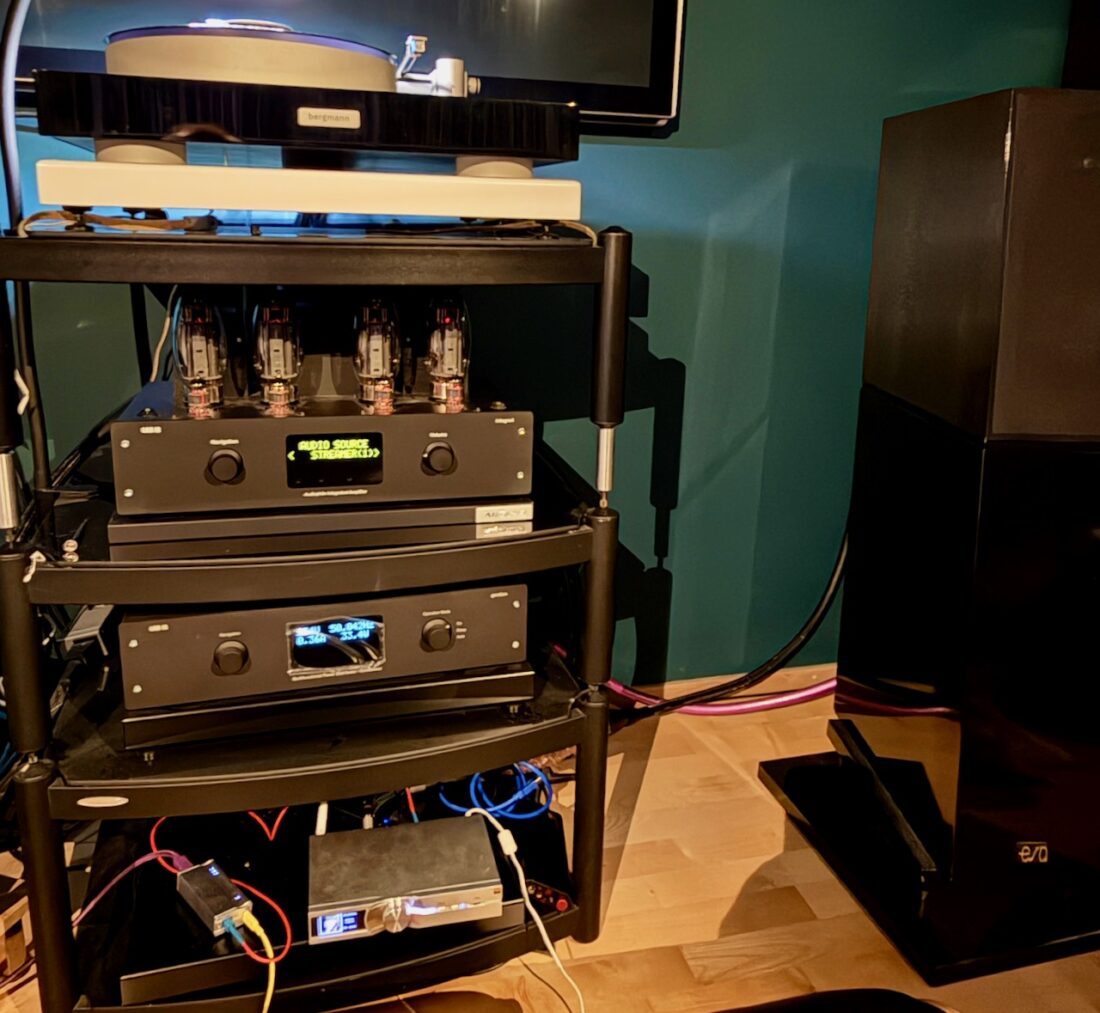
After a first chord I had to get my jaw up from the floor! What happened? I have had at least 5 times pricier amplifiers, streamers and speakers in this same room. For example Bowers and Wilkins 802 D3s worked here well. The sound was equal with the best equipment visited in this room.
Sound in general
First of all the definition and the timbre are excellent. I have had hhe impression that ESAs are a bit slow and balanced a bit dark. But this time not at all!, treble definition is good, the level is moderate, but not too dark. ScanSpec ”spike” tweeter has a good reputation and it is easy to understand, why. The midrange is also more moderate than uplifted. Definition is excellent. My guess is, that the angled front plate hepls the integration of tweeter and bass/mid elements. The bass is a bit warm, but in my room bass is never over emphasized. The tone is a bit warm, but nothing disturbs me with the bass. The biggest surprise is that the bass is indeed a full range, even in relatively loud levels. I think the balance is mostly related to speakers. The amplifier itself is fast, even a bit crisp in general. So in that sense ESAs and LAB12 integre 4 seem to be a great match.
Let’s emphasize once more that sound of integre 4 doesn’t follow any tube amp stereotypes. It is a high definition and subjectively also a high power amplifier. Sound is neutral, but not at all warm. But in my opinion it is neither bright. The bass is exceptional in tube amp genre, in my not so humble opinion.
ESAs offer relatively good stereo image. But now this is also something different. The stereo image is quite big, very precise and there is plenty of depth here. Also this third dimension is presented solidly. One interesting point is that there seem to be happening quite much at the sides of the stereo image. This is not a dot precise image in between speakers, quite the opposite. On the other hand, the vocalist is heard in the middle, and on the frant, also. So also central imaging is ok for me.
Sound with specific recordings
But after general description I want to be more detailed and use some examples with familiar test tracks.

Let’s start with Suzanne Vega’s Tom’s diner. This is an easy example, but most revealing in my opinion. Especially when alalysnng stereo imaging and general definition. One of the bests I have ever heard. The echoes were clear and you were able to sense the last phrase very dimly on background. I also have a reference as I heard this live in 2002.
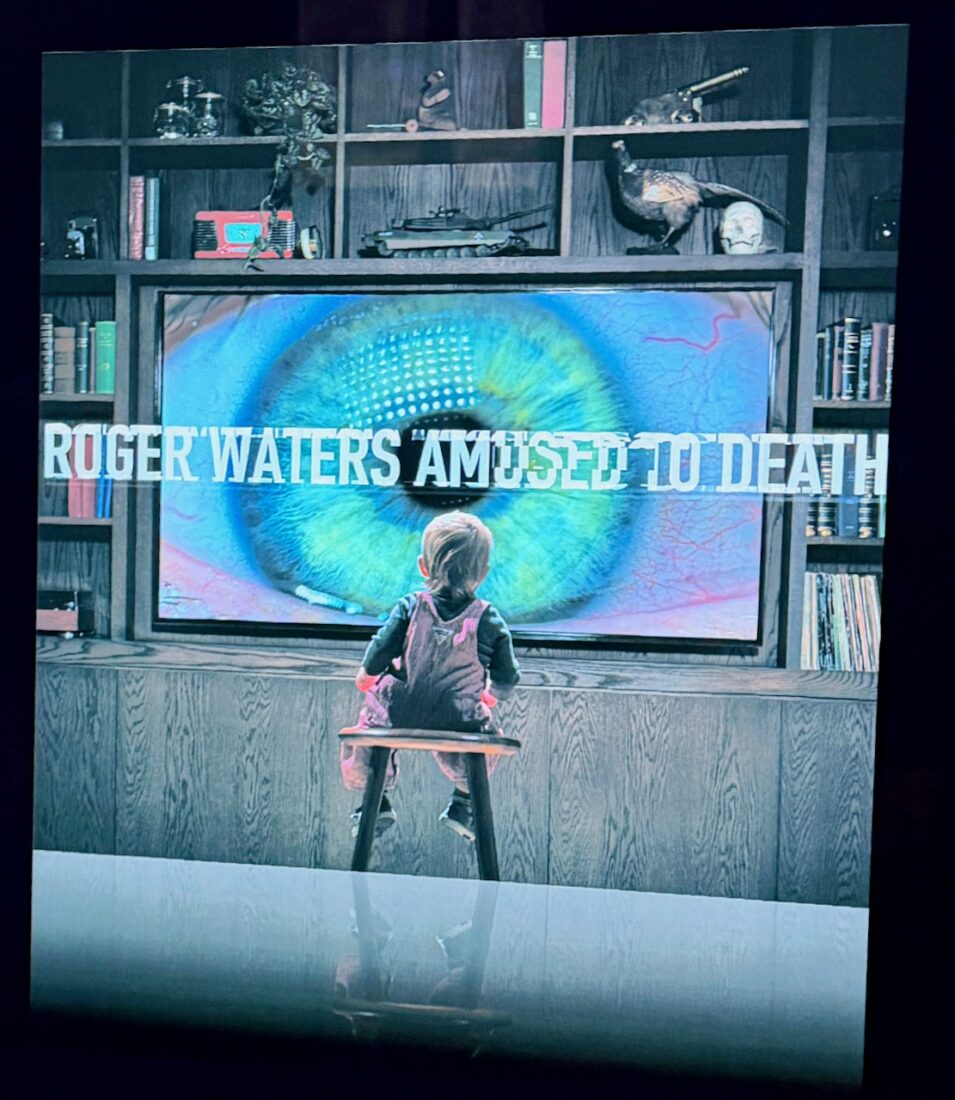
Roger Waters’ Amused to death (DSD 64) is also an old test necessity with QSound. It seems that Q-Sound effects expand in high ratio compared to traditional recordings. So better the stereo imaging the lot better are the QSound effects. And this setting doesn’t dissapoint.
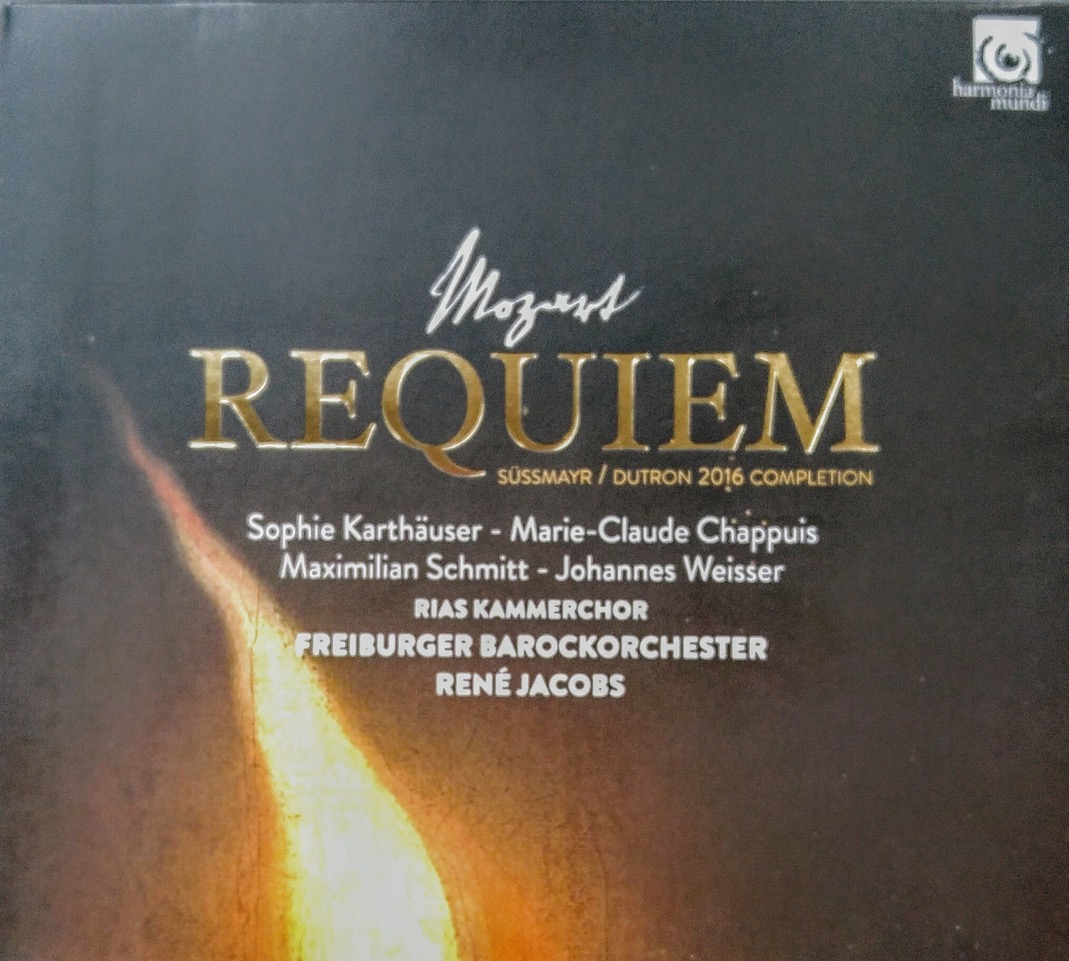
One of my less frequent test recording is the relative new Süssmayr edition of Mozart’s Requiem conducted by René Jacobs. With this intergre setting I wanted to hear a bigger scale classical music with bot the orchestra and the choir. And good it was. The recording is a bit bright balanced. The soloist are used more active than with more traditional versions. The integer presented well the different positions of soloists and a choir.
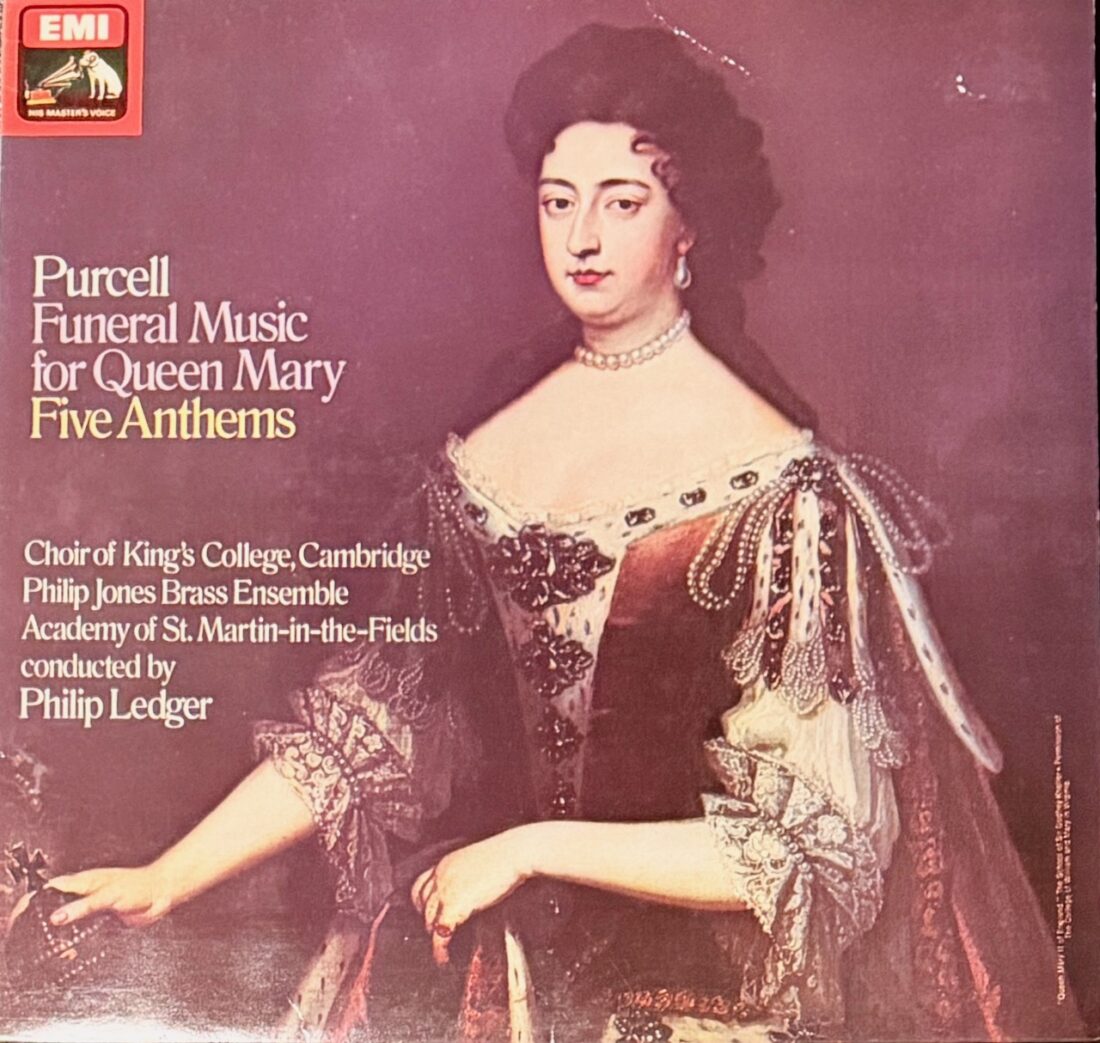
Then the original baroque version of the movie Clockwork Orange. Or not a quite. One of my treasures is a vinyl version of Purcell’s Music for the funeral of Queen Mary. A synthesizer version of this starts the Clockwork Orange movie. This is also a piece with choir, orchestra and organ, but a bit more intimate. The authority of trumpets at the beginning is emotinonailly impressive. The definition is first attribute of this recording. A largely liked softness of vinyl sound is absent here. The echoes are clear and enjoyable. The soloist, boy sopranos and other male voices (including alto) were clear and solidly placed on the front. A wonderful record from 1976.
Conclusion
I’m analyzing here the total experience including streamer, speakers and cables. But nevertheless the outcome is that LAB12 integre is a real mighty integrated tube amplifier. Regardless of price, if You are about to have an integrated amplifier, please give it a listen. In my books this is one of the best, regardless of price. Hand made in Europe is also something I highly appreciate.